Source Slides Slippers for Indoor, Outdoor, and Summer Use
Compare 30 listings of slides slippers featuring EVA and cotton options with anti-slip designs. Buyers can evaluate customization services, heel heights, and seasonal suitability for indoor or outdoor applications; compare the available evidence and request quotations based on your requirements.
Key considerations
Products List


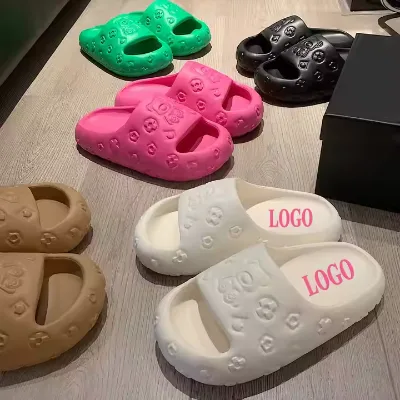


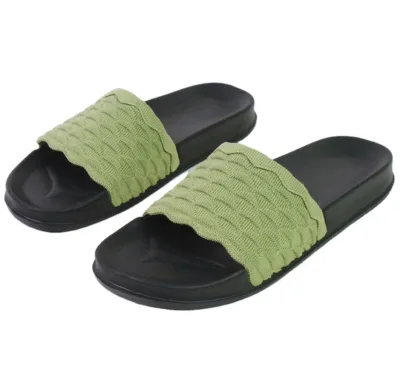
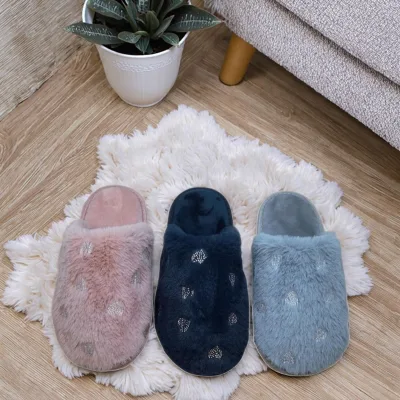
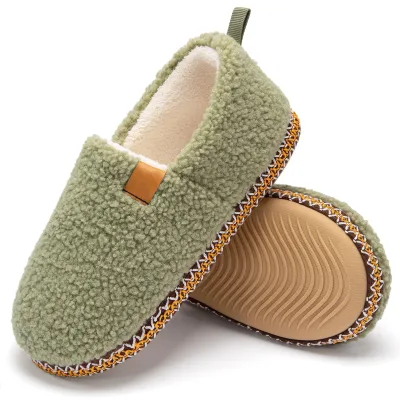


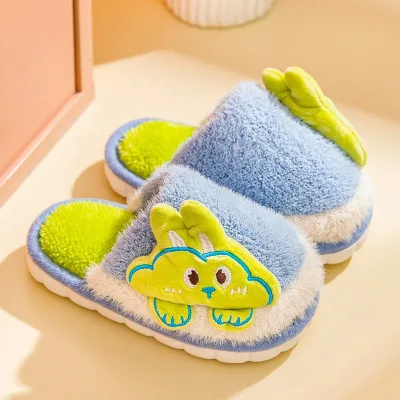
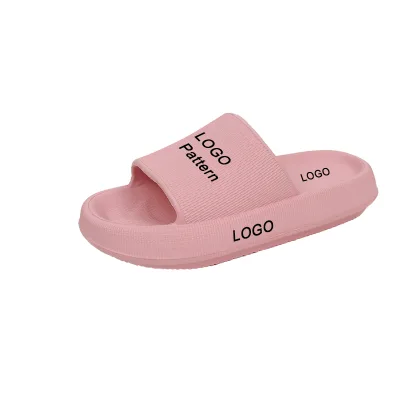
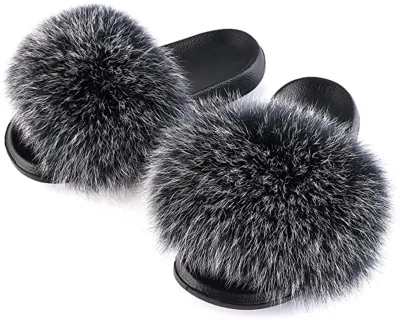
Comprehensive Sourcing Guide
Slides Slippers Sourcing Guide
Sourcing slides and slippers requires a nuanced understanding of material performance, particularly when balancing indoor comfort with outdoor durability. Buyers must distinguish between products designed for casual home use and those engineered for transitional wear, as the latter often demands higher abrasion resistance and structural integrity. The observed market data indicates a wide variance in construction, from simple EVA foam units to more complex assemblies involving cotton fabric uppers and TPR outsoles. This diversity necessitates a clear definition of the end-use environment before initiating supplier outreach, as misalignment between product capability and application can lead to premature failure and customer dissatisfaction.
Commercial terms and customization options play a pivotal role in the final landed cost and brand differentiation. Many suppliers offer extensive customization services, including laser engraving, digital printing, and silk screening, which allow for unique branding opportunities but also introduce complexity into the production timeline. The presence of non-disposable, hand-made options alongside mass-produced EVA items suggests a fragmented supply chain where quality control protocols must be rigorously enforced. Procurement teams should evaluate whether the desired aesthetic and functional features justify the potential increase in unit costs associated with specialized craftsmanship or premium material selections.
Product Scope and Observed Listing Signals
The current market landscape for slides and slippers reveals a broad spectrum of styles, ranging from basic indoor slippers to robust outdoor slides suitable for varied terrains. Observed listings highlight key attributes such as mid-heel designs, anti-slip patterns, and waterproof capabilities, which are critical for buyers seeking versatile footwear solutions. The availability of unisex models in colors like white, black, purple, and green indicates a strong demand for inclusive sizing and diverse aesthetic preferences. Buyers should note that while some products are marketed for both indoor and outdoor use, the specific material composition, such as EVA versus cotton fabric, significantly influences their suitability for each environment.
Material composition is a primary differentiator in the observed product range, with EVA being a dominant material for both uppers and insoles due to its lightweight and shock-absorbing properties. However, some listings specify cotton fabric uppers paired with TPR outsoles, offering a different tactile experience and potentially higher durability for outdoor applications. The presence of PVC lining in certain models suggests a focus on moisture management and ease of cleaning, which is particularly relevant for summer wear. Procurement specialists must carefully review these material specifications to ensure they align with the intended seasonal use and performance expectations, as mixing materials can impact both comfort and longevity.
Technical Specifications to Verify
Verifying technical specifications is essential to ensure that the selected slides and slippers meet the required performance standards for size, fit, and construction. Buyers should confirm the available size ranges, which typically span from EUR 35 to 45, to ensure adequate coverage for the target demographic. It is crucial to distinguish between single-item packaging and bulk configurations, as the latter may affect storage and distribution logistics. Additionally, the distinction between hand-made and machine-made products should be clearly understood, as this impacts consistency, lead times, and the overall quality profile of the final product.
Key technical attributes such as toe style, heel height, and specific design features like anti-static properties or cushioning must be validated against the product requirements. For instance, open-toe designs are common in summer slides, while closed-toe options may be preferred for cooler seasons or specific indoor environments. The presence of features like shock absorption via EVA foam or hard-wearing characteristics indicates a focus on user comfort and product longevity. Buyers should request detailed technical datasheets or product samples to verify these attributes, ensuring that the physical product matches the described specifications before committing to large-scale orders.
Compliance and Safety Documentation
Compliance and safety documentation are critical components of the sourcing process, particularly when dealing with footwear that comes into direct contact with the skin. While specific certification statuses such as CE or REACH are mentioned in background data, buyers must verify the actual compliance certificates provided by the supplier for each product batch. This verification ensures that the materials used, including EVA, PVC, and TPR, meet regional safety standards for chemical content and physical safety. Procurement teams should request test reports from accredited laboratories to confirm that the products do not contain harmful substances and meet all relevant regulatory requirements.
In addition to chemical compliance, physical safety features such as anti-slip patterns and waterproofing must be documented and verified. These features are not merely aesthetic but are critical for preventing accidents and ensuring user safety, especially in wet or slippery environments. Buyers should inquire about the testing protocols used to validate these safety features, such as coefficient of friction tests for soles or water penetration tests for waterproof claims. Ensuring that the supplier has a robust quality management system in place is essential for maintaining consistent compliance and minimizing the risk of product recalls or legal liabilities.
Cost Drivers and Commercial Terms
Understanding the cost drivers associated with slides and slippers is vital for effective budgeting and negotiation. Factors such as material selection, customization complexity, and order volume significantly influence the final unit price. The observed price range of 1.2 to 35 USD reflects the diversity in product quality and features, with higher prices typically associated with premium materials, intricate designs, or extensive customization options. Buyers should analyze the cost breakdown to identify areas where savings can be achieved without compromising quality, such as optimizing packaging or simplifying design elements.
Commercial terms, including MOQs, sample times, and payment conditions, also play a crucial role in the total cost of ownership. The observed MOQ range of 1 to 3600 units offers flexibility for both small-scale trials and large-volume purchases, but buyers must consider the implications of inventory holding costs and cash flow. Sample times of 7-15 days indicate a relatively quick turnaround for prototyping, which is beneficial for rapid product development cycles. Procurement teams should negotiate favorable terms that align with their operational needs, ensuring that the supplier can meet delivery schedules and quality expectations consistently.
Supplier Qualification and Quality Control
Supplier qualification is a foundational step in mitigating risks and ensuring a reliable supply chain for slides and slippers. Buyers should conduct thorough due diligence on potential suppliers, assessing their manufacturing capabilities, quality control processes, and track record in the industry. This includes verifying the supplier's ability to handle customization requests, such as logo placement and specific design features, while maintaining consistent quality across large production runs. Engaging with suppliers who have a proven history of meeting international standards and delivering on time is essential for long-term success.
Quality control measures must be implemented at every stage of the production process, from raw material inspection to final product packaging. Buyers should establish clear quality acceptance criteria and conduct regular audits or third-party inspections to ensure compliance. The use of standardized packaging, such as 1 pair per OPP bag, helps protect the products during transit and simplifies inventory management. By implementing a robust quality control framework, buyers can minimize defects, reduce returns, and maintain a positive brand reputation in the market.
Long-Term Procurement Checks
Long-term procurement checks are necessary to maintain supplier performance and adapt to changing market conditions. Regular performance reviews should assess key metrics such as on-time delivery, product quality, and responsiveness to issues. These reviews provide valuable insights into the supplier's operational efficiency and help identify areas for improvement. Buyers should also monitor market trends and consumer preferences to ensure that the sourced products remain relevant and competitive. Adapting to shifts in material availability or regulatory requirements is crucial for sustaining a resilient supply chain.
Continuous improvement initiatives should be encouraged through open communication and collaborative problem-solving with suppliers. Establishing a feedback loop allows for the rapid identification and resolution of quality issues, fostering a partnership based on mutual trust and shared goals. Buyers should also explore opportunities for innovation, such as new material technologies or sustainable manufacturing practices, to enhance product value and differentiate their offerings. By maintaining a proactive approach to supplier management, buyers can secure a competitive advantage and drive long-term business growth in the slides and slippers market.
FAQs
What customization options are available for slides slippers?
Customization is available through laser, digital print, silk print, and hot transfer methods. Buyers can request specific logo placements on the product. These services allow for branding without requiring hand-made production, ensuring consistent quality across large orders.
Which materials are used for the insole and upper of these slippers?
The insole material is EVA, providing shock absorption with EVA foam. The upper is made from either EVA or cotton fabric depending on the specific model. This combination ensures durability and comfort for both indoor and outdoor use during summer or winter seasons.
Can I order samples before placing a bulk order for slides slippers?
Yes, samples are available with a lead time of 7 to 15 days. The standard packing is one pair per OPP bag. This allows buyers to verify the quality of the anti-slip pattern and waterproof features before committing to larger quantities.
What sizes are available for the slides slippers in EUR?
Available sizes range from EUR 35 to 45 across different models. Some specific models offer sizes like 36-37, 38-39, and 40-41. The product is designed as unisex footwear, making it suitable for a wide range of customers seeking comfortable indoor or outdoor wear.
How are the slides slippers packaged for shipping?
Each pair is packed individually in an OPP bag. The single package size measures 48 by 20 by 8 cm with a gross weight of 0.380 kg. This packaging protects the product while keeping shipping costs manageable for international buyers sourcing from China.
What features make these slides slippers suitable for outdoor use?
These slippers feature an anti-slip pattern and are waterproof for outdoor durability. They are designed to be hard-wearing and cushioning, offering comfort for daily wear. The EVA material ensures they remain lightweight while providing necessary traction on various surfaces.
Are these slides slippers handmade or machine produced?
Most models are not handmade, ensuring consistent production standards. However, some specific styles are noted as hand-made. The majority of the inventory, including models like 8802 and C502, utilizes standard manufacturing processes for efficient delivery and quality control.